
YOUR Stress & Anxiety: Master Passive-Aggressive Behaviour Confidently
When you find it difficult to express your emotional & physical needs, you may remain silent, respond aggressively or express frustration indirectly.
Learning to communicate more assertively can help you express your feelings, respect other people's boundaries and handle disagreements more constructively.
You can start today.
Express yourself more clearly and develop healthier communication habits.
Frequently Asked Questions (4 FAQs)
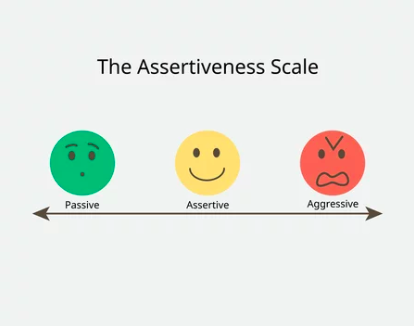
Passive behaviour means holding back your thoughts, feelings or needs, even when you would like to express them.
You may find it difficult to say “No” because you worry about disappointing others, creating conflict or being considered selfish.
You might also expect other people to understand your feelings without your having to explain them.
Unfortunately, people cannot always know what you are thinking or feeling unless you communicate it.
When you repeatedly put aside your own needs and do not express them clearly, you can begin to feel unheard or unappreciated.
Gradually over time, this contributes to frustration, resentment or relationship difficulties.
Some people also experience increased stress and worry when they find it difficult to express themselves.
The first step is to recognise your own needs and learn to express them respectfully, without assuming that you must please everyone.
Aggressive behaviour involves expressing your needs or frustration in a way that disregards or intimidates other people.
For example, someone who feels repeatedly ignored may eventually lose her temper, use hurtful words or try to dominate a disagreement.
Afterwards, she may feel regret or guilt and become unusually accommodating for a while.
If the underlying issue remains unresolved, similar disagreements can occur again, and then again and again.
Passive-aggressive behaviour is different.
Instead of expressing anger openly, a person may show frustration indirectly through sarcasm, deliberate delays, the silent treatment or repeated resistance without explaining the concern.
Both patterns can damage relationships when they prevent honest discussion and mutual understanding.
The simple goal is neither to suppress every feeling nor to express every feeling harshly.
It is to communicate firmly and respectfully.
Assertive behaviour means:
- Clearly expressing your own thoughts, feelings, needs and boundaries.
- Simultaneously, respecting the other person's Laxman Rekha (boundaries).
- Maintaining an attitude of mutual respect — your needs matter, and the other person's needs matter too.
- Saying “Yes” when you genuinely agree, rather than agreeing only to please someone.
- When necessary, saying “No” politely and firmly.
For example, instead of silently accepting extra work and later becoming resentful, you can say:
“I understand this is important. However, I cannot take on another task today because I need to complete my existing work.”
This approach can create a little short-term discomfort, but it can help prevent misunderstandings and resentment from building up.
Assertiveness does not mean that everyone will agree with you.
It means you express yourself honestly and respectfully, even when opinions differ.
You also stop expecting others to guess your feelings.
Instead, you explain your concerns and listen to their perspective.
With regular practice, you can learn to make your own decisions about saying “Yes” or “No” while treating other people with consideration and respect.
You can contact Dr. Sudhir Arora to learn more about the online 7 Mind Secrets Course and its educational approach to everyday stress, anxiety and personal challenges.
You can ask about the programme's content, format and schedule before deciding whether it suits your learning needs.
The focus is on developing self-awareness and practising practical skills for communication and everyday situations.
The programme does not promise instant results or guaranteed changes in behaviour.
This educational guidance is not a substitute for medical or psychiatric assessment, psychotherapy or other appropriate professional care when these are needed.